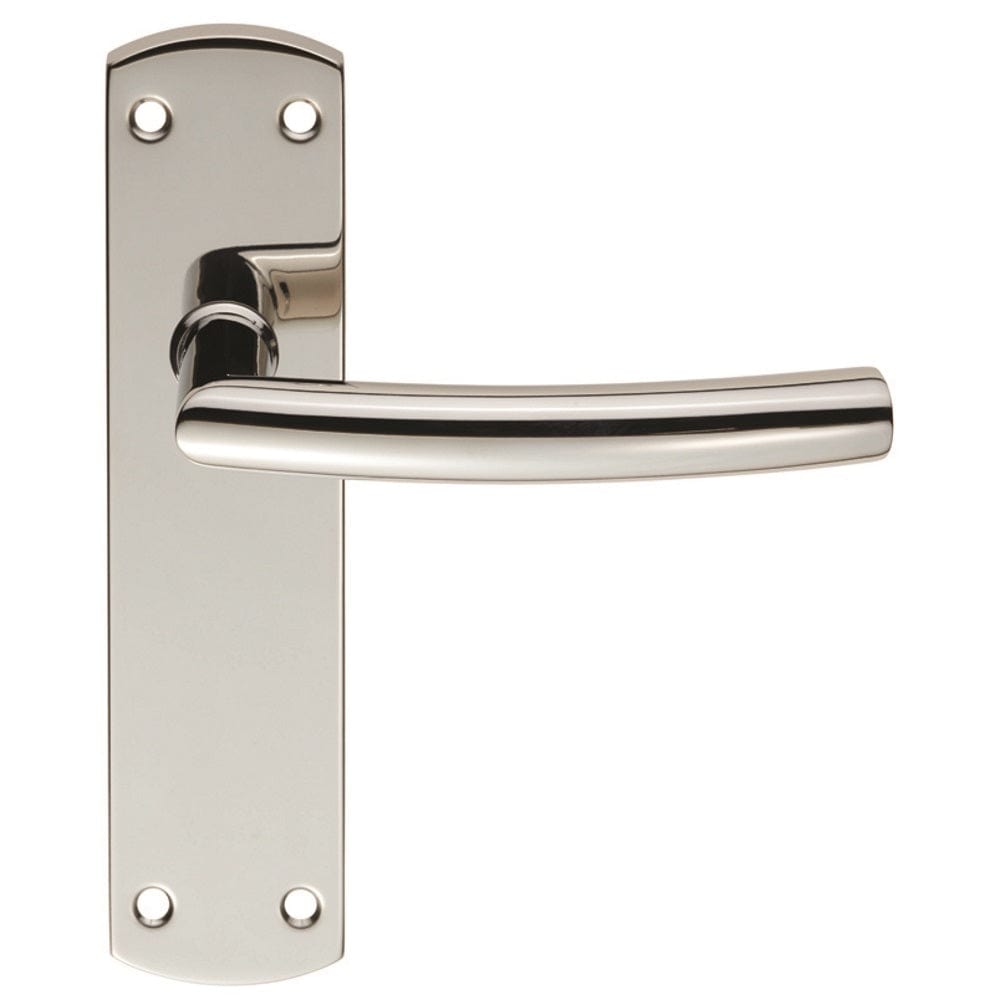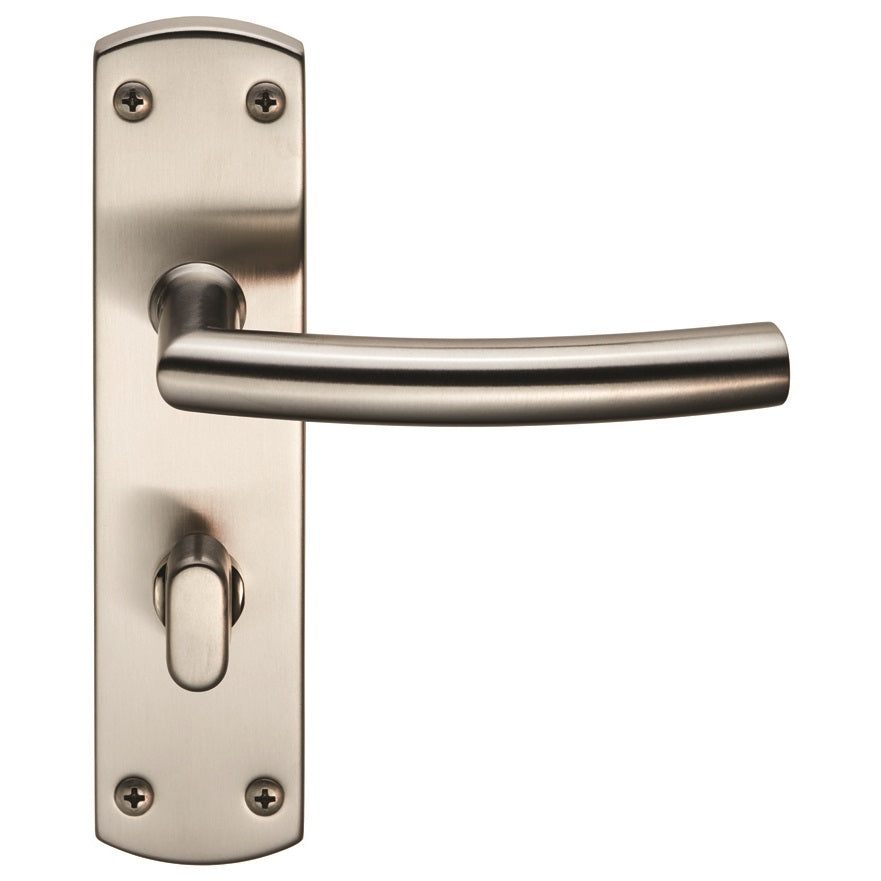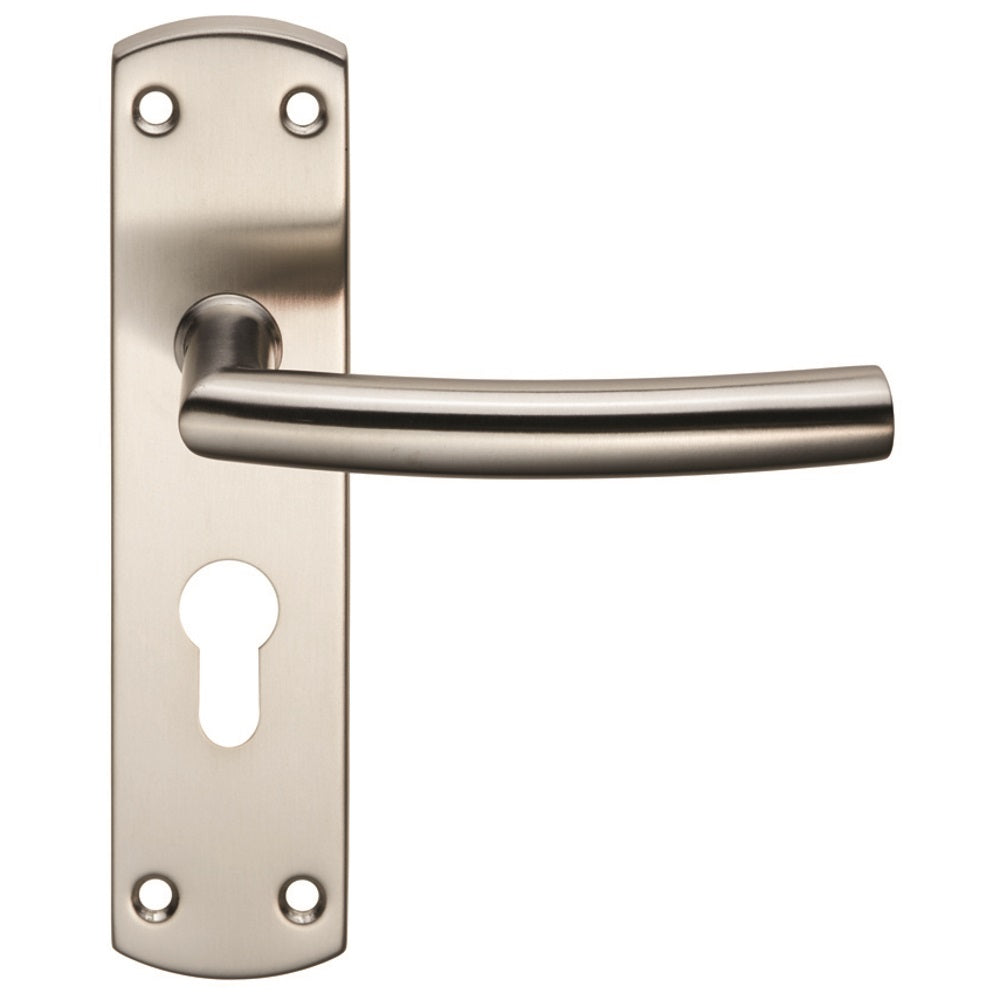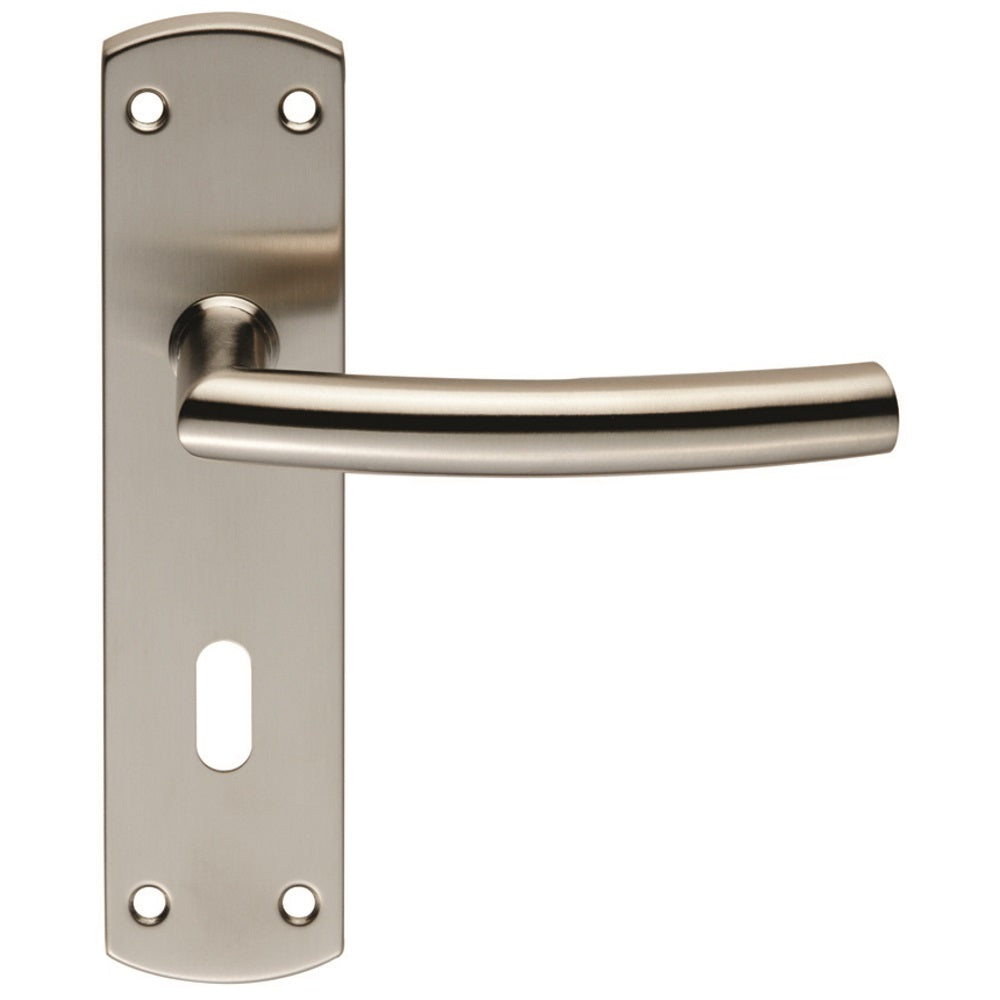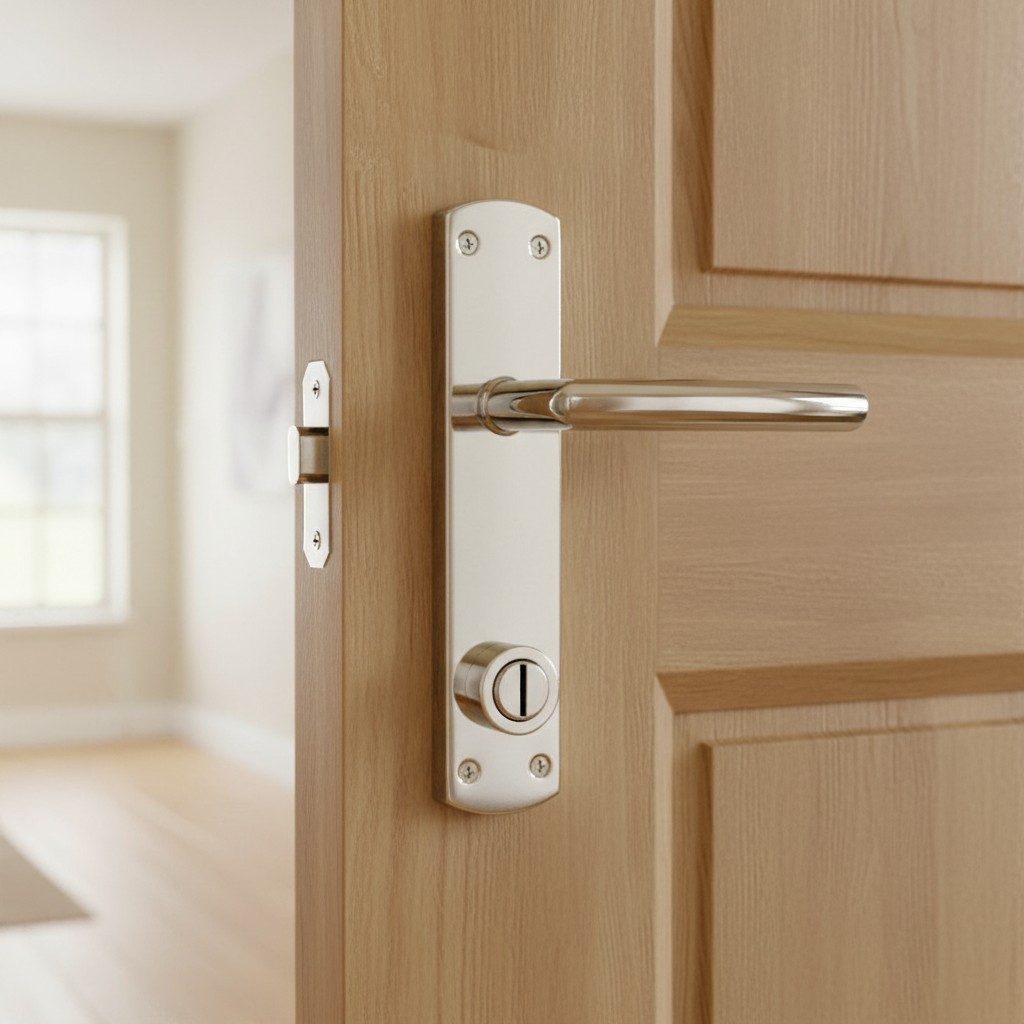
Door handles are an essential part of your home—they’re used multiple times a day, every day, so it’s important to keep them in good condition. Proper maintenance and care not only extend the lifespan of your door handles but also keep them looking like new, preserving their style and functionality. At KLIN TOOL, we craft our door handles from high-quality materials to ensure durability, but with a little care, you can keep them in perfect shape for years to come. In this blog, we’ll share our top tips for maintaining and caring for your door handles, no matter the material or style.
1. Regular Cleaning: The Foundation of Door Handle Care
The most important step in maintaining your door handles is regular cleaning. Over time, dirt, dust, fingerprints, and oils from your hands can build up on the surface, making them look dull and dirty. The cleaning method depends on the material of your handle, so we’ve broken it down by material:
Brass Door Handles
Brass is a beautiful material that ages over time, but regular cleaning prevents tarnish and keeps it looking bright. To clean brass door handles:
- Mix a solution of warm water and mild dish soap (avoid harsh chemicals or abrasive cleaners, which can scratch the surface).
- Dip a soft cloth (microfiber works best) into the solution and gently wipe the handle, paying attention to crevices and details.
- Rinse with a clean, damp cloth and dry immediately with a soft towel to prevent water spots.
- For tarnished brass, use a brass polish (avoid polish with harsh abrasives) and follow the manufacturer’s instructions. Buff gently with a soft cloth to restore shine.
Stainless Steel Door Handles
Stainless steel is low-maintenance, but it can show fingerprints and smudges. To clean stainless steel door handles:
- Use a soft, dry microfiber cloth to wipe away fingerprints and dust—this often works without any cleaning products.
- For more stubborn dirt, mix warm water and mild dish soap, dip a cloth into the solution, and wipe the handle. Rinse and dry immediately.
- Avoid using abrasive cleaners, steel wool, or harsh chemicals (like bleach), which can scratch the surface and remove the protective finish.
Matte Black Door Handles
Matte black handles are easy to clean, but they can show dust and smudges. To clean matte black door handles:
- Use a soft, dry microfiber cloth to wipe away dust and fingerprints—avoid using water unless necessary, as it can leave streaks.
- If you need to clean with water, use a damp cloth (not soaking wet) and dry immediately with a soft towel.
- Avoid abrasive cleaners or scrub brushes, which can scratch the matte finish.
2. Preventing Damage: Avoid Common Mistakes
Many door handle issues are caused by improper use or neglect. Here are some common mistakes to avoid to prevent damage:
- Don’t pull or yank the handle: Pulling too hard on the handle can damage the internal mechanism, leading to loose handles or difficulty opening the door. Use a gentle, steady motion when opening and closing doors.
- Avoid slamming doors: Slamming doors can cause the handle to loosen over time and damage the lock mechanism. Encourage family members to close doors gently.
- Keep handles away from moisture: Moisture can cause rust, tarnish, or damage to the finish—this is especially important for bathroom and kitchen handles. Wipe up any water splatters immediately, and ensure the area is well-ventilated.
- Don’t use harsh chemicals: Abrasive cleaners, bleach, ammonia, or citrus-based cleaners can damage the finish of your door handles. Stick to mild dish soap and warm water for regular cleaning.
3. Fixing Loose Handles: A Simple DIY Solution
Over time, door handles can become loose—this is a common issue, but it’s easy to fix with a few simple tools. Here’s how to tighten a loose door handle:
- Locate the set screw: Most lever handles have a small set screw on the base of the lever (under the decorative cover) or on the side of the handle. Door knobs may have a set screw on the back of the knob or under a decorative cap.
- Use a screwdriver (or Allen wrench, depending on the screw type) to tighten the set screw—turn it clockwise until the handle is secure.
- If the handle is still loose, check the mounting screws inside the door (you’ll need to remove the decorative cover to access them). Tighten any loose screws to secure the handle.
If you’re unsure how to fix a loose handle, KLIN TOOL’s customer support team is always here to help—we can provide step-by-step instructions or recommend a professional if needed.
4. Long-Term Maintenance: When to Replace Your Door Handles
Even with proper care, door handles will eventually wear out. Here are some signs that it’s time to replace your door handles:
- The handle is loose and can’t be tightened (this may indicate damage to the internal mechanism).
- The finish is heavily scratched, tarnished, or peeling, and cleaning won’t restore it.
- The lock mechanism is broken or difficult to use (e.g., the handle doesn’t turn smoothly, or the lock won’t engage).
- You’re renovating your home and want to update the style of your door handles to match your new decor.
When it’s time to replace your door handles, KLIN TOOL offers a wide range of high-quality, durable options to choose from. Our handles are crafted from premium materials and designed to last, so you can enjoy them for years to come.
At KLIN TOOL, we’re committed to helping you get the most out of your door handles. With these simple maintenance tips, you can keep your handles looking like new and functioning properly for years. If you have any questions about caring for your door handles, or if you’re ready to upgrade to a new set, our team is here to assist you.